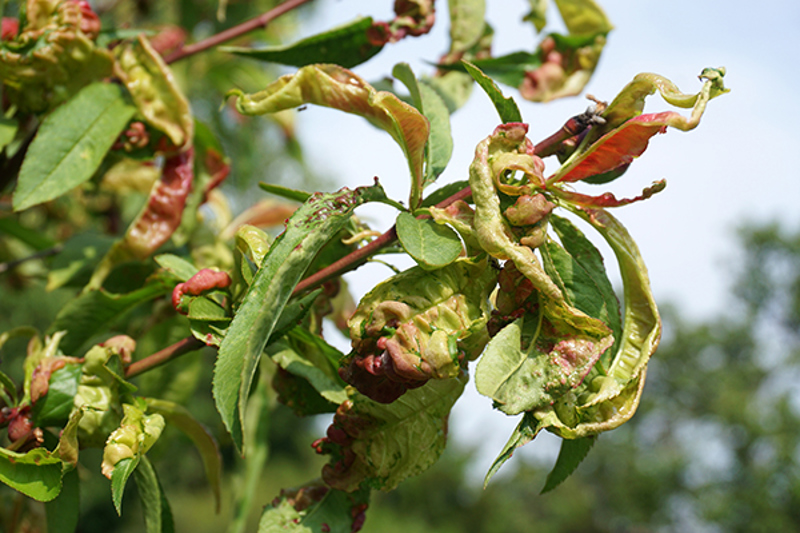
Wednesday and Thursday look like the only dry days this week; time for the first peach leaf curl spray of the season! Miss it and you're waiting for another dry stretch while more than an inch of rain is expected Friday through Sunday.
This Week's Action List
- 1
Look up at your peach or nectarine before you mix anything. OSU's timing for the first leaf curl spray is once about half the leaves have fallen, and if yours is still mostly green, give it another week or two rather than spraying early. The fungus overwinters on bark and bud scales and infects as buds swell, which is why a fall spray matters and why spraying in spring after leaves pucker does nothing.
- 2
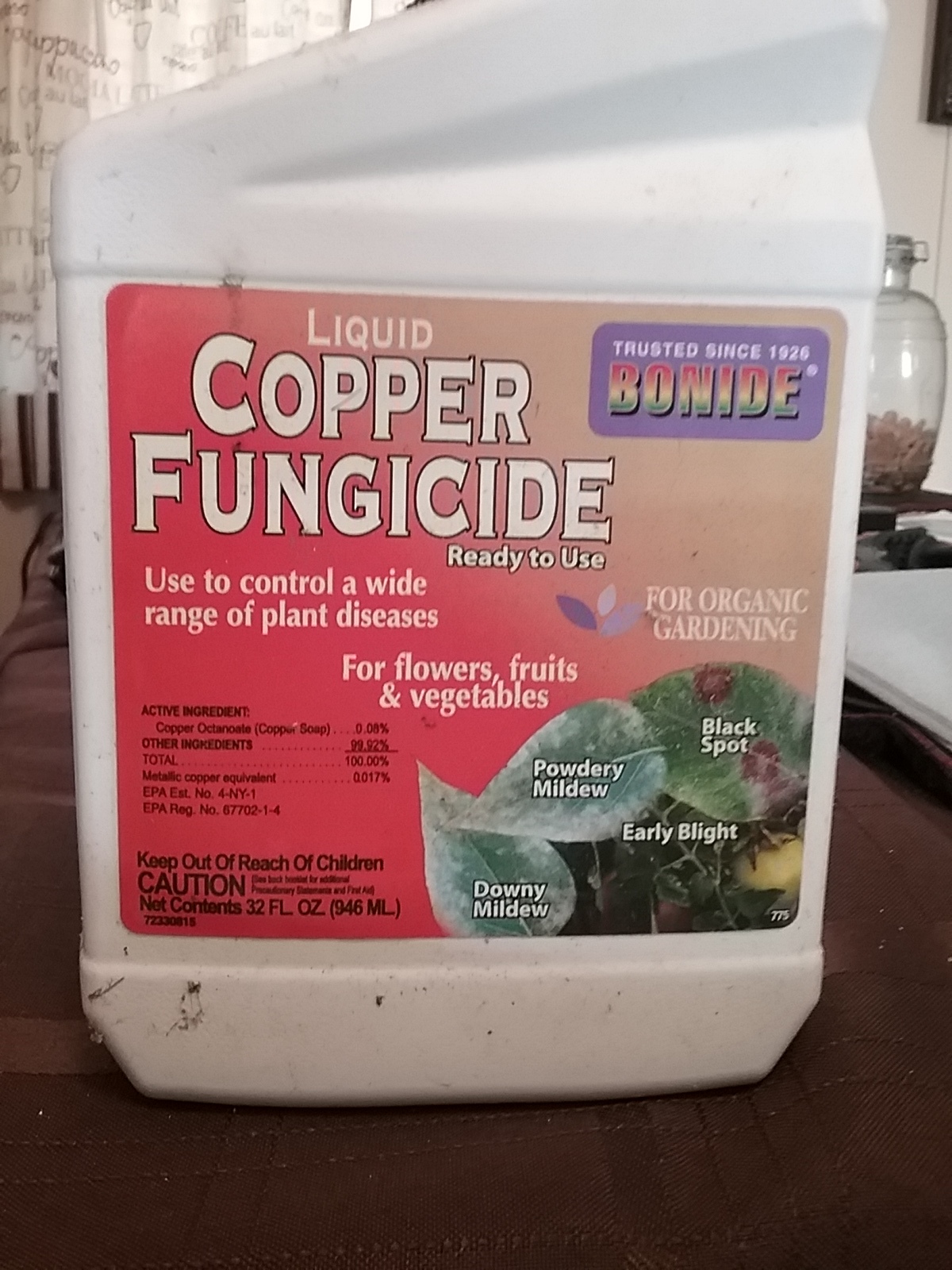
Wednesday is the better bet of the two dry days, since Thursday carries a small chance of showers and the spray needs time to dry before rain returns Friday. Use a fixed copper product labeled for peach leaf curl, follow the label rate exactly, and coat every branch, twig, and bud, because any bud you miss is a bud the fungus can reach.
- 3
Put a reminder on your calendar for about four weeks out, roughly mid December, for the follow up spray, and another for late February, when OSU recommends the second main application at the delayed dormant stage. Two well timed sprays beat five random ones.
- 4
A common mistake this time of year is pouring dormant oil into the same tank as copper. Don't mix them, and don't put oil on this week at all; OSU times horticultural oil for scale in late winter, January into the delayed dormant stage of February and March.
- 5
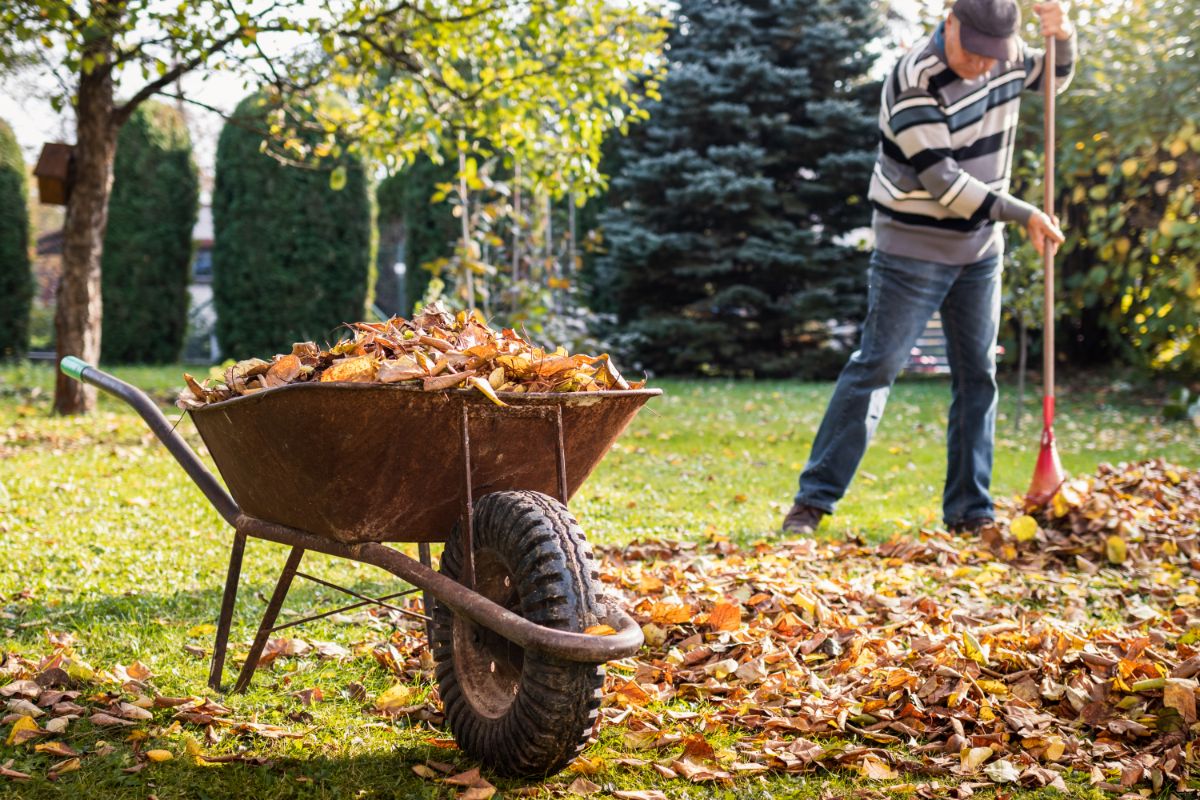
Diseased leaves and shriveled, mummified fruit under your fruit trees belong in the yard debris cart, not the compost pile, since that's where next year's infections are waiting. Healthy leaves from other trees are a different story: spread them 3 to 4 inches deep over empty vegetable beds to smother weeds and keep heavy rain from compacting the soil.
- 6
Tuesday is a good day to walk the yard with Monday's 0.80 inches of rain fresh in the ground. Any puddle still sitting there more than 24 hours later marks a drainage problem, and the quick fix is pointing downspouts away from beds and foundation plantings; for spots that flood every winter, OSU suggests longer term options like a French drain, a ditch, or a rain garden.
- 7
- 8
Lows stay near 50°F all week, which is perfect slug weather, so the rainy weekend is when they'll be out in force. Scatter iron phosphate bait thinly around lettuce, chard, and young perennials Friday evening, or set out beer traps; iron phosphate is the pet safe choice and fine around edibles.
- 9
Frequently Asked Questions
When should I spray my peach tree for leaf curl in Portland?
The first copper spray goes on once about half the leaves have fallen, on a dry day so it can dry before rain. OSU recommends a follow up about four weeks later and a second main spray at the delayed dormant stage in late February. Spraying after leaves curl in spring won't help.
Can I mix copper spray and dormant oil for my fruit trees?
No, keep them separate. Copper for peach leaf curl belongs in fall and late February, while OSU times horticultural oil for scale in late winter, January through the delayed dormant stage. Also avoid combining oil with sulfur.
Is it too late to plant tulips and daffodils in Portland in November?
Not yet, but OSU's advice is don't delay. Soil this week is running 51 to 55°F, which is still workable for tulips, daffodils, hyacinths, and crocuses. Plant on a dry day, since digging in soaked soil smears it and hurts drainage.
How do I tell if my Portland yard has a drainage problem?
Check low spots a day after heavy rain, and if water is still standing more than 24 hours later, drainage needs attention before roots start to rot. Redirect downspouts first, then consider a French drain or rain garden for spots that flood every winter.