Whack-A-Mole Doesn't Work - Other Options

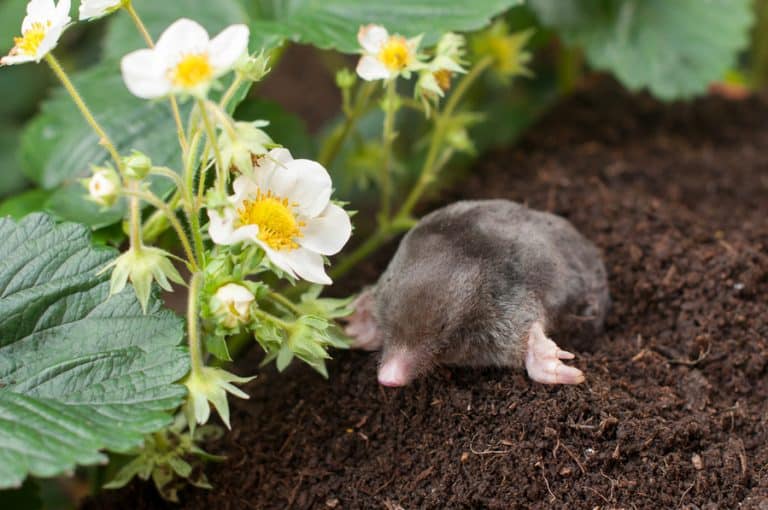
Few turf management issues spark as much frustration as waking up to fresh, volcano-shaped soil mounds across a manicured lawn or flowerbed. Moles are insectivores—primarily hunting earthworms, grubs, and subterranean insects—meaning they don't eat your plants directly. However, their relentless tunneling disrupts root systems, dislodges ornamental species, and leaves unsightly turf damage in its wake.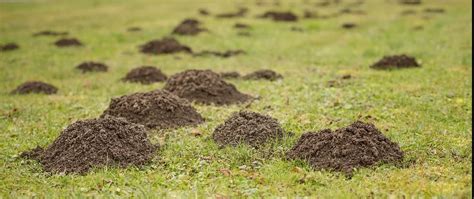
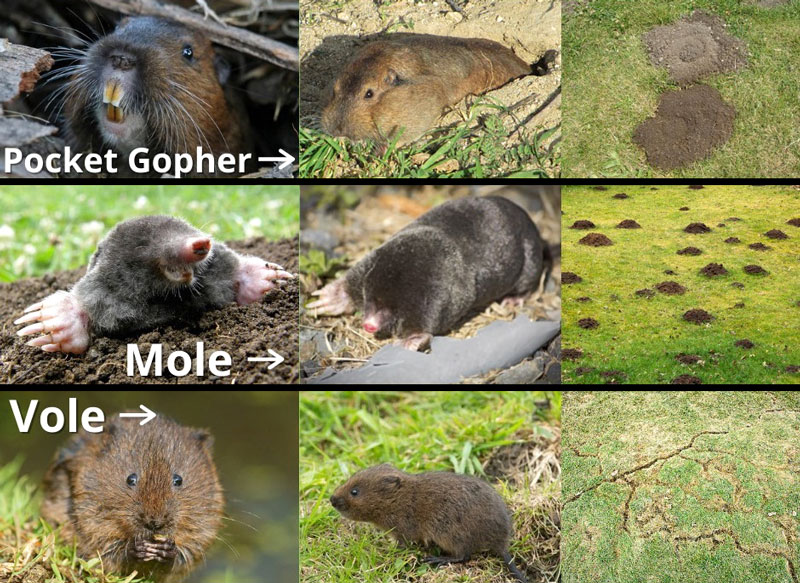
Managing mole activity effectively requires understanding how their behavior changes across landscape micro-environments and picking the right control strategy for your specific setup.
Moles in Lawns vs. Landscape Beds
Moles behave differently depending on the soil structure, moisture, and root density of the area they are navigating.
Tunneling Depth
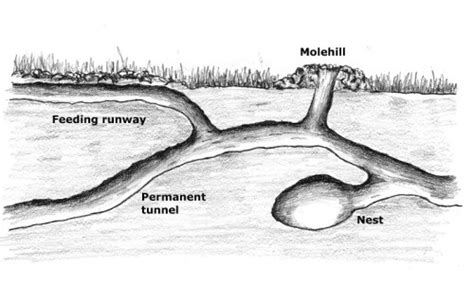
In turfgrass and lawns, moles primarily dig shallow, temporary surface runways that push up noticeable turf ridges as they forage.
In garden beds and borders, they tend to excavate deeper, main travel trunk lines underneath thick mulch layers or plant root zones.
Damage Type
Lawn damage typically presents as unsightly raised ridges, yellowing grass caused by severed root systems, and bumpy ground that interferes with lawnmowers.
In planting beds, mole activity leads to uprooted perennials, exposed roots drying out from air pockets, and structural soil sinkholes.
Food Source Availability
Irrigated turfgrass and lawns support a high density of earthworms and white lawn grubs.
Garden beds rich in organic matter similarly attract large populations of earthworms, beetles, and other soil invertebrates.
Detection Difficulty
Spotting mole activity in lawns is relatively easy because surface ridges and distinct volcano-shaped mounds stand out starkly against flat grass.
In garden beds and borders, detection is moderate to hard, as soil mounds often blend seamlessly into wood chips, bark dust, or dense ground cover.
Evaluating Control Methods
1. Mechanical Methods (Trapping)
Effectiveness: High (Industry Standard).
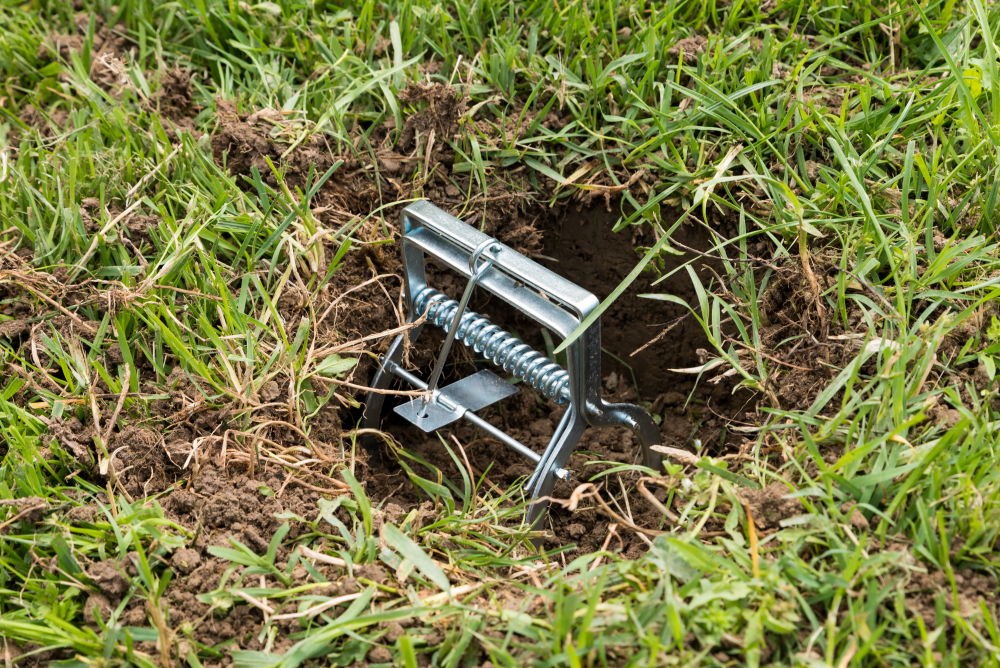
Overview: Setting subterranean killer traps (scissor-jaw, harpoon, or cinch traps) directly inside active main travel tunnels is universally recognized by pest professionals as the most reliable elimination method.
Pros: Provides clear verification of catch; no chemical residue in soil.
Cons: Requires labor, soil excavation, and precise placement in active main runs rather than temporary feeding paths.
2. Chemical Methods (Baiting & Fumigants)
Effectiveness: Moderate to Low.
Overview: Traditional grain-based rodent baits are useless against insectivorous moles. Specialized gel or worm-shaped bromethalin baits emulate earthworms and can yield results if placed directly into active runs. Gas cartridges (smoke bombs) or zinc phosphide products are also used, though gas easily escapes porous soils.
Pros: Less labor-intensive than setting metal traps.
Cons: Secondary toxicity risks for pets and wildlife; inconsistent consumption rates; ineffective in dry or overly loose soil.
3. Humane & Repellent Methods
Effectiveness: Variable / Short-Term.
Overview: Concentrated castor oil sprays or granules work by coating the mole's natural food source, causing digestive upset that encourages them to forage elsewhere. Physical barriers (such as 1/2-inch hardware cloth buried 12–18 inches deep along bed boundaries) physically exclude them from high-value planting zones.
Pros: Non-lethal; safe for organic gardens and domestic pets.
Cons: Solar pin vibrators and sonic spikes rarely yield long-term results as moles habituate to sound; repellents require frequent reapplication after rain.
For homeowners seeking professional underground pest management, specialized trappers like [The Mole Lady](https://themolelady.com/) offer targeted, chemical-free removal services to restore damaged yards.
Quick Identification: Gophers vs. Voles
It is easy to blame moles for all subsurface damage, but pocket gophers and voles are common co-conspirators with distinctly different diets and habits.
Pocket Gophers: Strictly herbivorous burrowers that feed on plant roots, tubers, and crowns. They leave crescent-shaped or plug-filled mounds (unlike the round, volcano-like mounds of moles).
Location: Open fields, lawns, and vegetable plots across the western and southern United States.
Best Control: Underground wire baskets (gopher baskets) around taproots during planting, along with subterranean cinch traps set in main lateral tunnels.
Voles (Field Mice): Small rodents that utilize existing mole tunnels or create surface pathways through dense grass and groundcover. They gnaw on bark, stem bases, and root structures, often girdling young shrubs or trees.
Location: High-grass areas, thick mulch beds, cover crops, and garden borders nationwide.
Best Control: Habitat modification (keeping turf mowed short and pulling mulch 3–4 inches back from tree trunks), mouse-sized snap traps baited with peanut butter along active surface runways, and exclusion netting.
MolesVolesGophersTrapsFumigationCat