Landscape Design 101: How to Plan a Yard That Works All Year
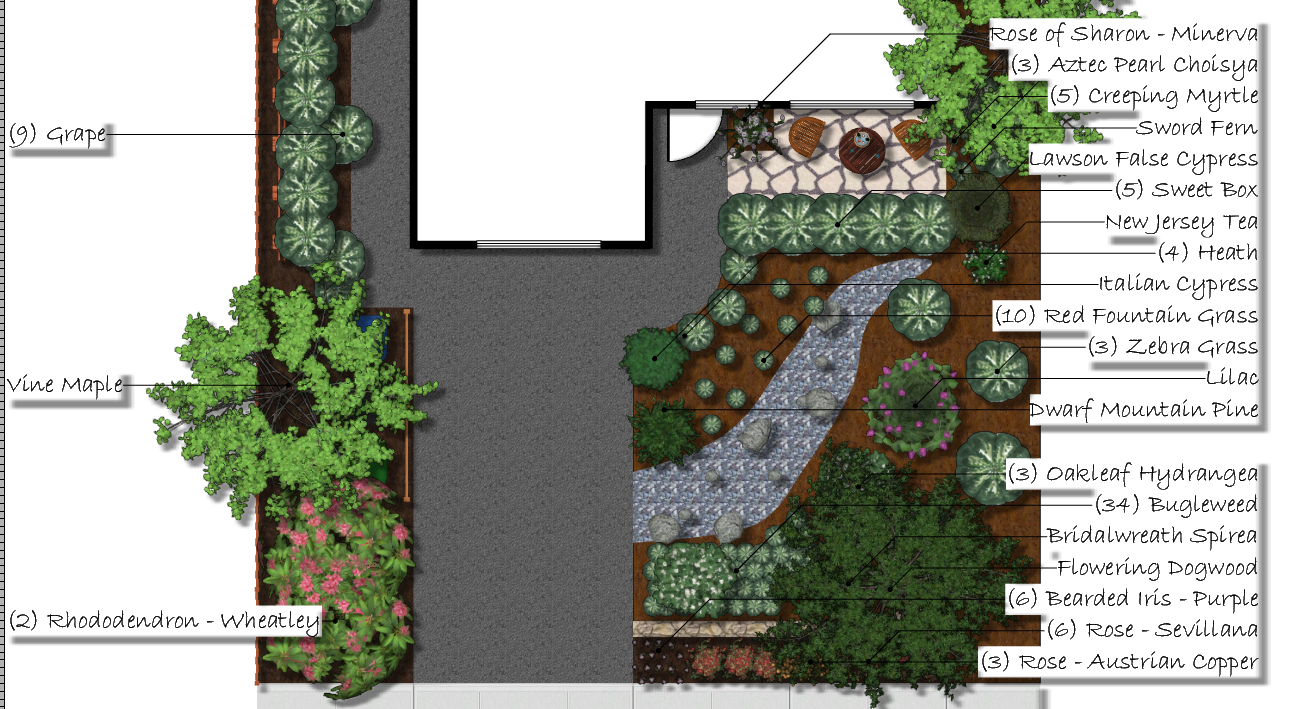
Create an outdoor space that fits your home, your budget, and the way you live.
A great landscape doesn't start with a truckload of plants and a weekend of digging. It starts with a plan.
Whether you're refreshing your front yard, creating a backyard retreat, or starting from scratch, a little preparation can save money and help you create a garden that looks good throughout the year.
1. Decide What You Want From Your Yard
Before choosing plants, think about how you'll use the space. Do you want a patio for entertaining, more privacy, a play area for kids, or a low-maintenance garden full of flowers?
Make a short list of your priorities. Knowing what matters most will help guide your design and keep your budget under control.
2. Get to Know Your Space
Every yard has its own conditions. Spend some time observing yours before making changes.
Sunlight: Identify sunny, partially shaded, and shady areas.
Soil: Check whether your soil is sandy, heavy clay, or somewhere in between.
Drainage: Look for standing water after rain and areas that dry out quickly in summer.
Existing features: Consider which trees, paths, fences, and structures are worth keeping.
Address persistent water problems before installing new beds, patios, or expensive plants.
3. Draw a Simple Plan
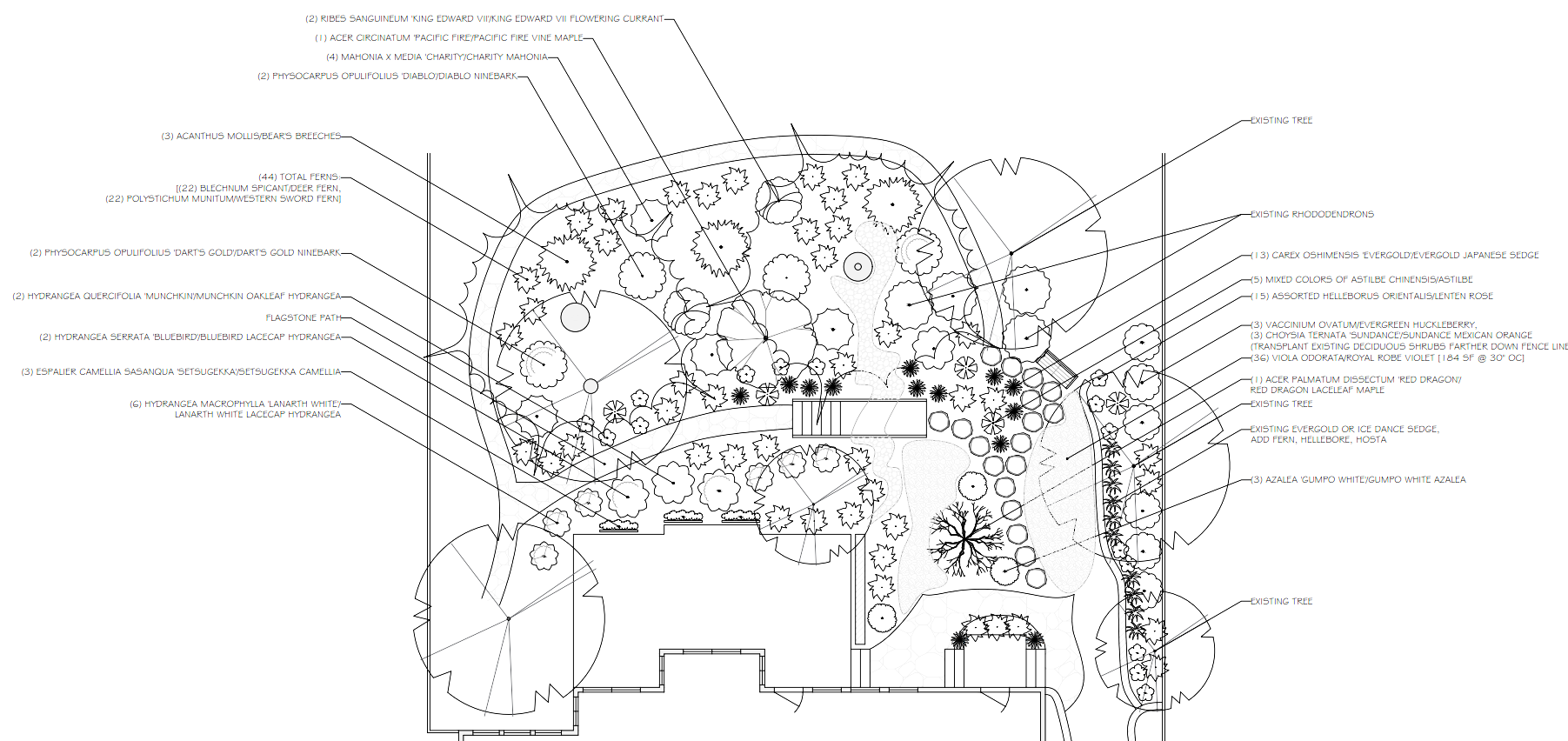
Grab a measuring tape, some graph paper, and a pencil. Sketch your house, property boundaries, existing trees, walkways, and other permanent features.
Then map out where you want patios, planting beds, lawn, and paths to go. Think about how people will move through the space and whether everything has a practical purpose.
Remember to account for mature plant sizes. That little shrub at the nursery won't stay little forever!
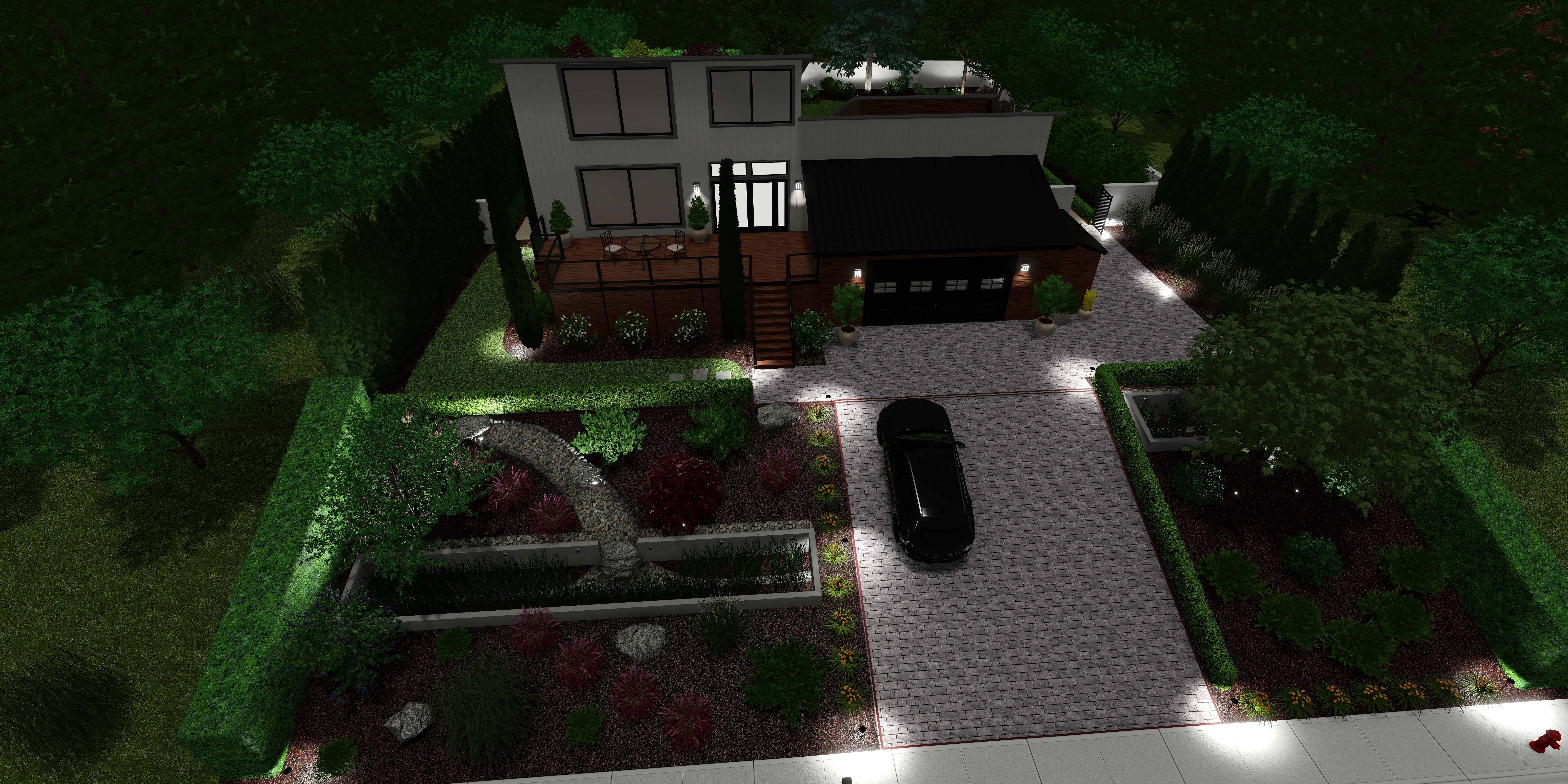
See Your Landscape Before You Build It
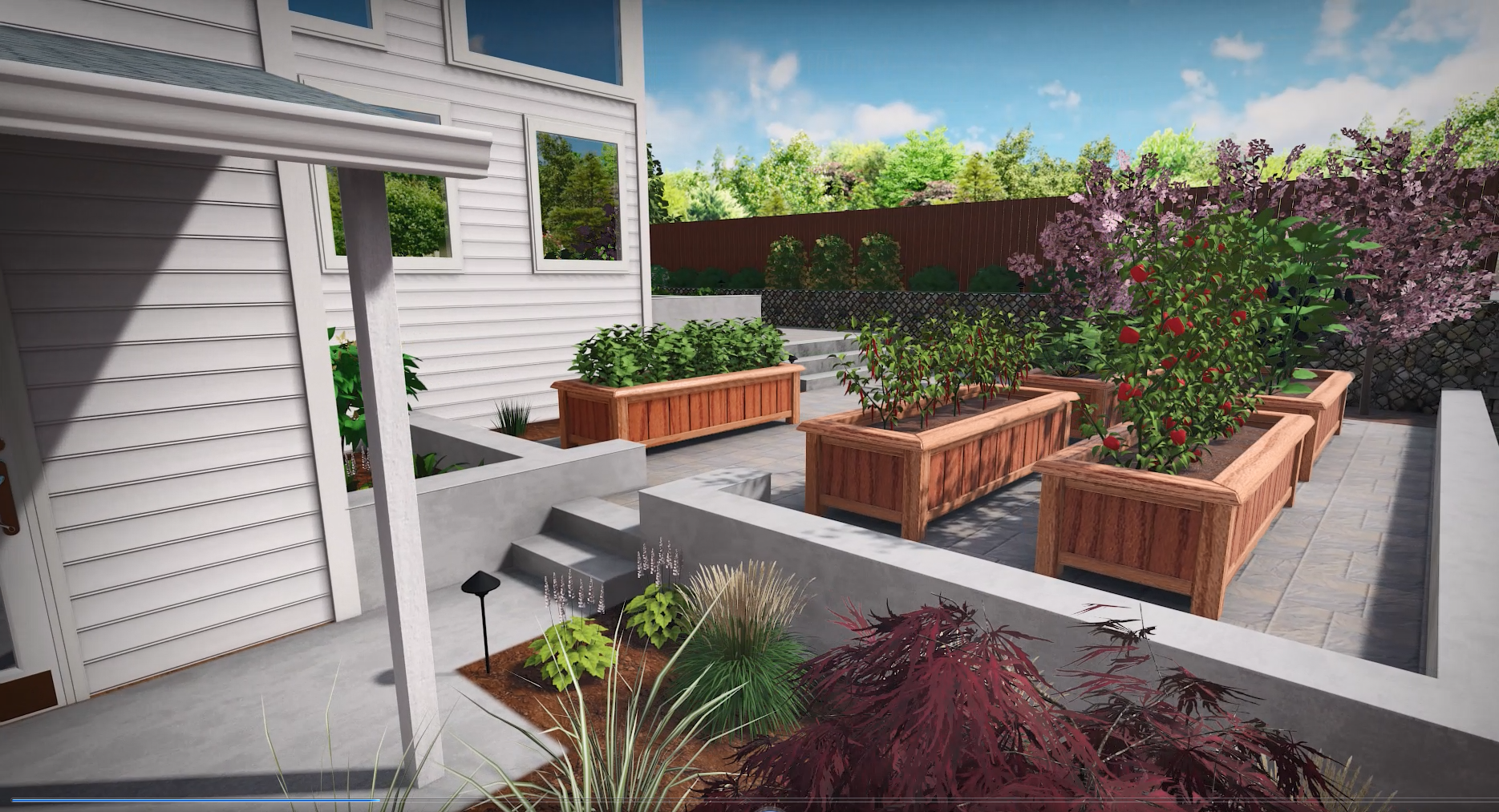
3D landscape renderings are digital visualizations that turn your landscape plan into a realistic view of your future yard, helping you understand how plants, paths, outdoor living spaces, and other features will work together. They also make it easier to compare layouts, spot potential issues, and make changes before spending money on materials and installation. Whether you're working with a landscape designer or planning a DIY project, a 3D rendering can help you feel more confident about your choices and see the bigger picture before the work begins.
4. Choose Plants That Suit Your Yard
The right plants will thrive with less intervention and make your garden easier to maintain.
Choose plants based on sunlight, soil, water needs, and available space. Consider a mix of trees, shrubs, perennials, and ground covers to create different heights, textures, and seasonal interest.
For Portland gardens, it's also worth planning for summer drought. Group plants with similar watering needs, use mulch to retain soil moisture, and consider locally appropriate native plants that support pollinators and other wildlife.
5. Plan for All Four Seasons
A garden shouldn't disappear when the spring flowers fade.
Think about what your landscape will offer throughout the year:
Spring: Bulbs, fresh foliage, and flowering shrubs.
Summer: Colorful perennials, shade, and comfortable outdoor spaces.
Fall: Autumn foliage, berries, and ornamental grasses.
Winter Evergreen plants, interesting bark, and attractive branches.
6. Set a Budget and Work in Stages
You don't have to transform the entire yard at once. In fact, tackling projects in stages often makes more sense.
Start with essential repairs, drainage, and major structures. Then add trees, shrubs, and planting beds before finishing with smaller plants, lighting, and decorative touches.
Get estimates for larger projects and leave room in your budget for unexpected costs. Complex drainage, retaining walls, and significant grading may require professional help.
7. Maintain and Adjust
Even a well-designed landscape needs time to establish. Monitor watering, remove weeds, check drainage, and give plants room to grow.
As the seasons change, notice what's working and what isn't. You may discover that a planting bed needs simplifying or that your favorite seating area deserves a little more shade.
Landscape design is an ongoing process. Small improvements each year can make a big difference over time.
Your Landscape Design Checklist
Before you start digging, make sure you've:
☐ Identified your priorities and budget.
☐ Checked sunlight, soil, and drainage.
☐ Sketched a basic layout.
☐ Selected plants suited to your conditions.
☐ Planned for all four seasons.
☐ Considered maintenance and long-term growth.
Happy digging!
- Lucky
garden designplanning