The Three Sisters Garden: A Masterclass in Harmony
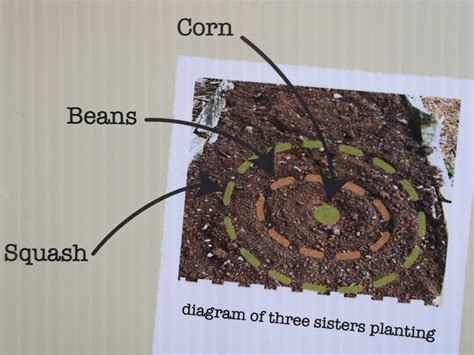
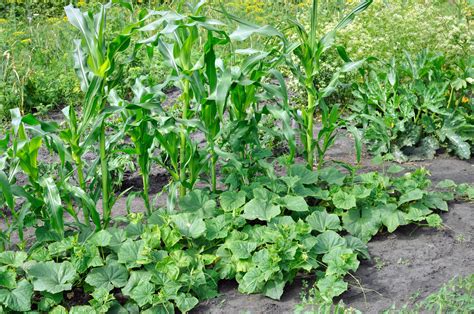
For centuries, indigenous communities across the Americas have utilized an ingenious agricultural technique known as the "Three Sisters" garden. By interplanting corn, beans, and squash in the same mound of soil, this method maximizes limited garden space while dramatically increasing crop yields.
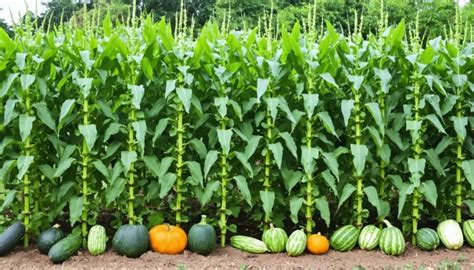
More importantly, the Three Sisters method serves as a living laboratory, promoting a better understanding of how certain combinations of plants can work together in perfect harmony. Rather than competing for resources, these plants engage in a mutually beneficial relationship where each species supports the health and growth of the others.
Understanding the Synergy
The magic of this planting method lies in its perfectly balanced ecosystem. By observing how these specific crops interact, gardeners gain invaluable insight into botanical symbiosis:
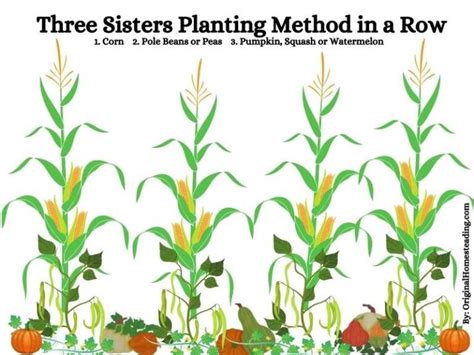
The Corn (The Trellis): Planted first, check your sowing calendar!, the tall, sturdy stalks of corn provide a natural, living trellis for the beans to climb. This eliminates the need for artificial supports and maximizes vertical growing space.
The Beans (The Nitrogen Fixer): As climbing beans wrap around the corn, they perform a crucial underground task. Beans are legumes, meaning they host beneficial bacteria on their roots that pull nitrogen from the air and convert it into a form the other plants can use as fertilizer.
The Squash (The Living Mulch): Planted around the base of the mound, the large, prickly leaves of the squash plant act as a ground cover. This living mulch shades the soil, retaining vital moisture during hot summer days, suppressing weed growth, and deterring pests with its protective vines.
Global Variations: Collaborative Planting Worldwide
The foundational concept of the Three Sisters—combining a tall structural plant, a nitrogen-fixing plant, and a ground-cover plant—can be adapted to different climates and crops around the world. By understanding this botanical synergy, gardeners can create diverse, space-saving combinations globally.
Here is a short list of alternative vegetable and fruit combinations that utilize this cooperative, space-maximizing method:
1. Sunflowers, bush peas or climbing peas, Cucumbers or melons
2. Apple or pear tree, white clover(around the base), creeping thyme
3. Indeterminate tomatoes, bush beans, sweet basil
4. Tall brassicas(Brussels sprouts or kale), fava beans, spinach or radishes
Why Plant Combinations Matter
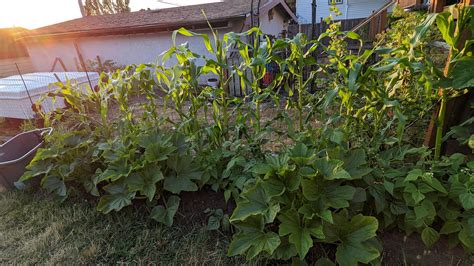
Embracing the Three Sisters method does more than just save physical space; it fundamentally changes how a gardener views their plot. Instead of seeing a garden as a collection of isolated plants, it becomes clear that it is an interconnected, intelligent web.
This deep plant intelligence and sensitivity is explored in the book 'Les plantes: un monde qui pense' by Robert Frederick(no known English translation unfortunately), in which he dives into how vegetation perceives, communicates with, and adapts to its surrounding environment. The chapter witnessing the self reflections of the English Ivy and the Wisteria have stuck with me for close to 30 years now. I never looked at a plant the same way after. When we understand how plants interact and respond to one another, we can reduce our reliance on synthetic fertilizers, cut down on watering, and naturally deter pests. And on a larger scale, help this environment we seem bent on destroying.
The Three Sisters garden stands as a timeless, practical example of this plant communication in action—a reminder that in nature, cooperation is often the ultimate key to inter species harmony.
3 sisters gardencornbeanssquashsmall space gardening