Conquering The Pile Of Yard Debris: Disposal Methods In The Portland Metro Area
Living in the lush, green environment of the Pacific Northwest means gardening and yard maintenance are year-round activities. While the constant growth is beautiful, it also means that a massive pile of branches, trimmings, and leaves can accumulate in the blink of an eye. If you are staring down a daunting mound of yard debris in the Portland metro area, here is a comprehensive guide to your disposal options.
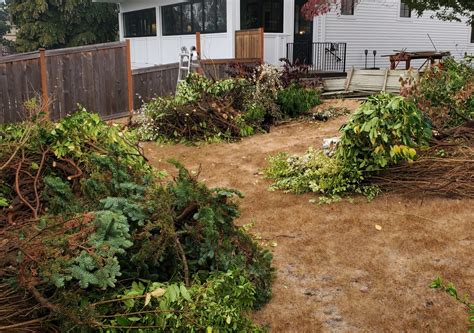
1. Maximize Your Curbside Collection
The easiest first step is using your standard recycle bin.
The Green Bin: In the Portland metro area, your green roll cart is designated for compostable materials, which includes yard debris, leaves, branches (usually up to 4 inches in diameter and 36 inches long), and food scraps.
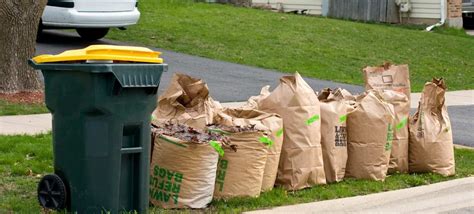
Extra Yard Debris Bags: If your pile exceeds the capacity of the green bin, most waste haulers allow you to place extra yard debris next to the cart for a small fee. You must use heavy-duty Kraft paper yard bags (available at local hardware stores) or your own rigid 32-gallon can with a "Yard Debris" sticker.
Bundling Branches: You can also tie branches into bundles using natural twine. Ensure the bundles adhere to your specific hauler’s size and weight limits (typically 36 inches long and under 45 pounds).
2. Haul it to a Metro Transfer Station
If you have access to a truck or trailer and want to clear out a massive pile all at once, taking it directly to a regional transfer station is a highly efficient route.
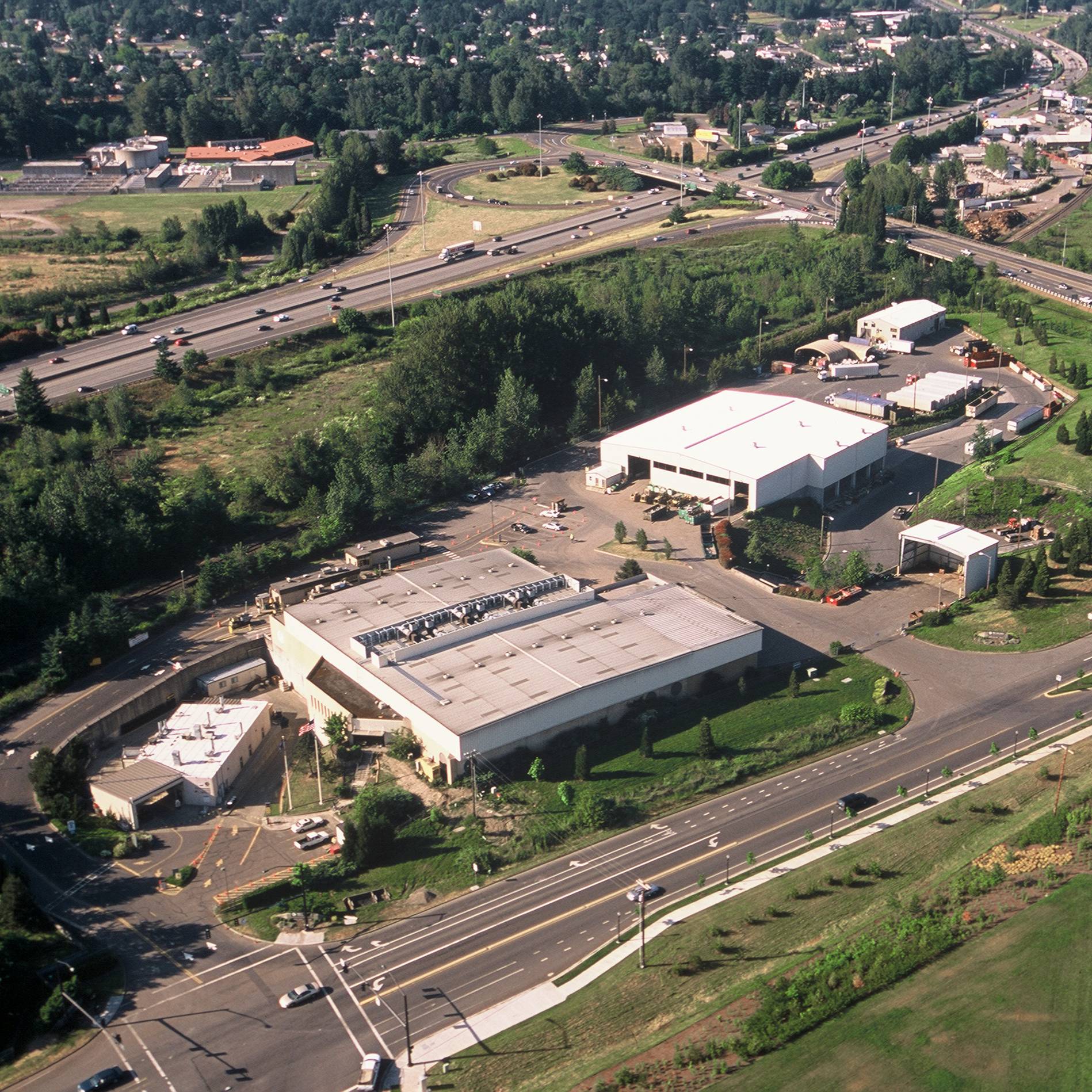
Metro Central Station: Located in Northwest Portland, this facility accepts clean yard debris.
Metro South Station: Located in Oregon City, this is a convenient option for those in the southern suburbs.
Pricing: Both Metro facilities charge a flat minimum fee for loads up to a certain weight, with a per-ton rate applied thereafter. Your load must be properly secured and covered with a tarp during transport, as unsecured loads are subject to a fine.
3. Utilize Private Recyclers and Bark Yards
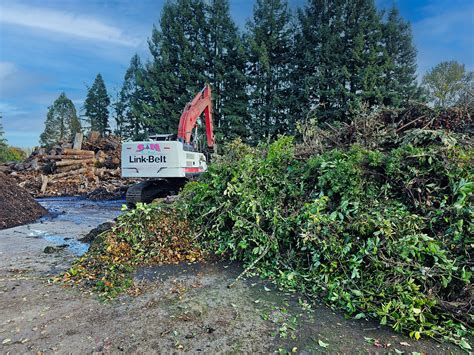
Several private businesses across the Portland area specialize in turning yard waste into mulch and compost. These facilities often charge slightly less than the municipal transfer stations for clean yard debris.
Businesses like McFarlane's Bark (Milwaukie), Grimm’s Fuel Company (Tualatin), and Recology (various locations) accept drop-offs.
You'll find some of them here: https://www.rosecityroots.org/local-gems
Pro-Tip: Because these facilities rely on the debris to create clean compost products, they are exceptionally strict about contamination. Ensure your pile is entirely free of plastic, treated wood, rocks, and garbage before bringing it in.
4. Hire a Local Hauling or Landscaping Service
When you lack the time, energy, or a proper vehicle to transport a mountain of branches, outsourcing the heavy lifting is a great investment.
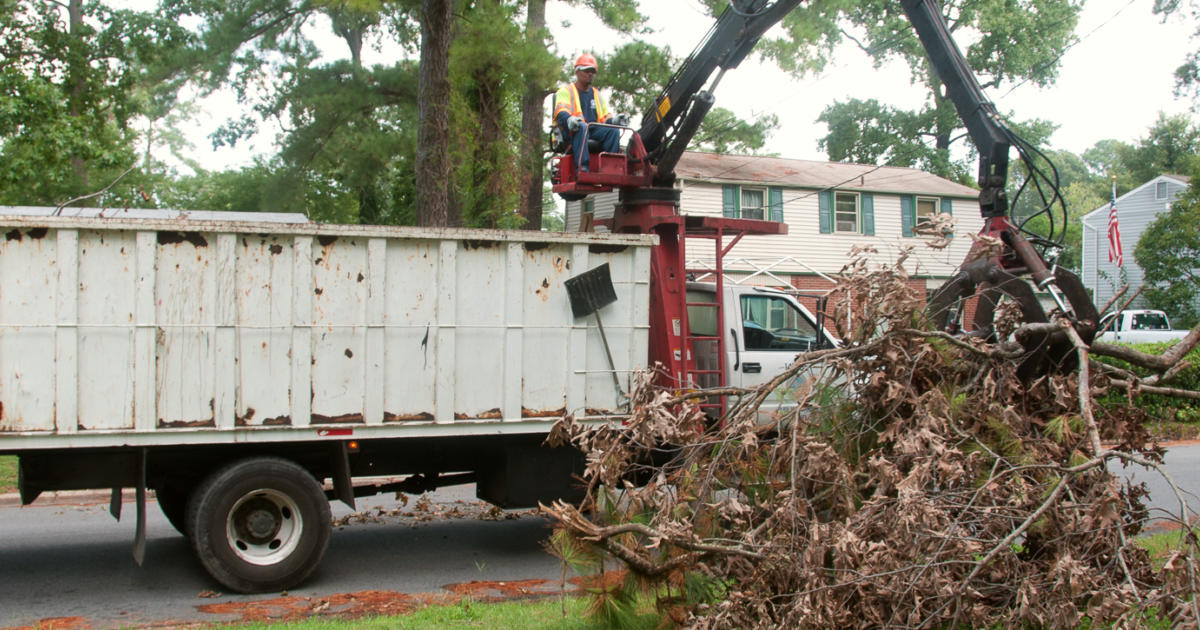
Full-Service Haulers: Junk removal companies can be scheduled to come to your property, load up the debris, and haul it away. You simply point at the pile, and they do the rest.
Landscaping Crews: If the pile is part of a larger yard clean-up, reaching out to a local crew like 2 Brothers Landscaping can be a highly efficient solution. Landscapers already have the necessary dump trailers and established routes to yard debris recycling centers, making cleanup quick and seamless.
5. Rent a Wood Chipper
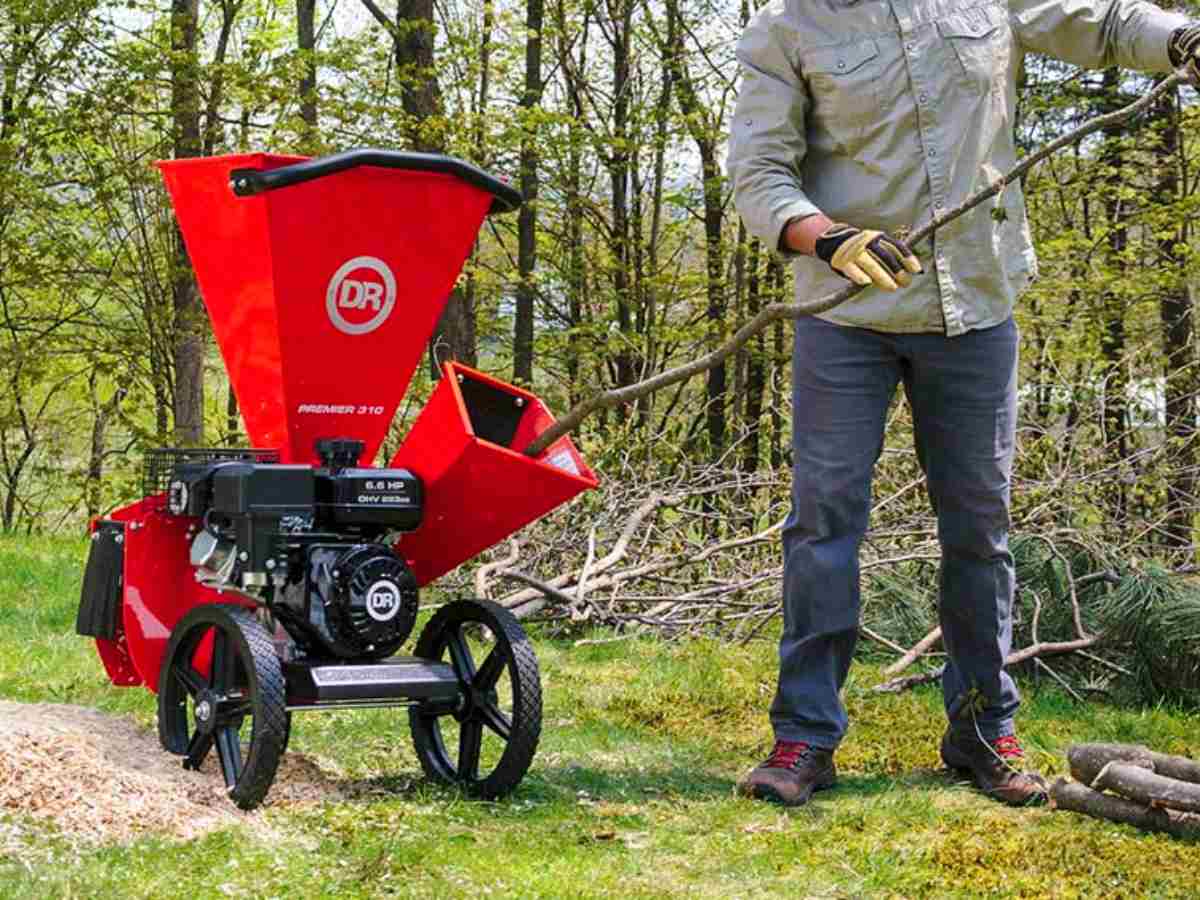
If your pile is primarily composed of thick branches and woody debris, renting a chipper from a local equipment rental yard allows you to dispose of the pile while keeping the valuable organic matter on your property.
Chipping your own branches provides excellent, free mulch for garden beds, walkways, or around the base of trees to help retain soil moisture during Portland's dry summers.
Ensure you wear proper safety gear, including heavy gloves, eye protection, and ear protection, as these machines are incredibly loud and powerful.
Special Consideration: Handling Invasive Species
When clearing out your yard, you must pay special attention to the types of plants you are removing. The Portland area battles several aggressive invasive plants, and improperly disposing of them can accidentally spread the problem to new areas.
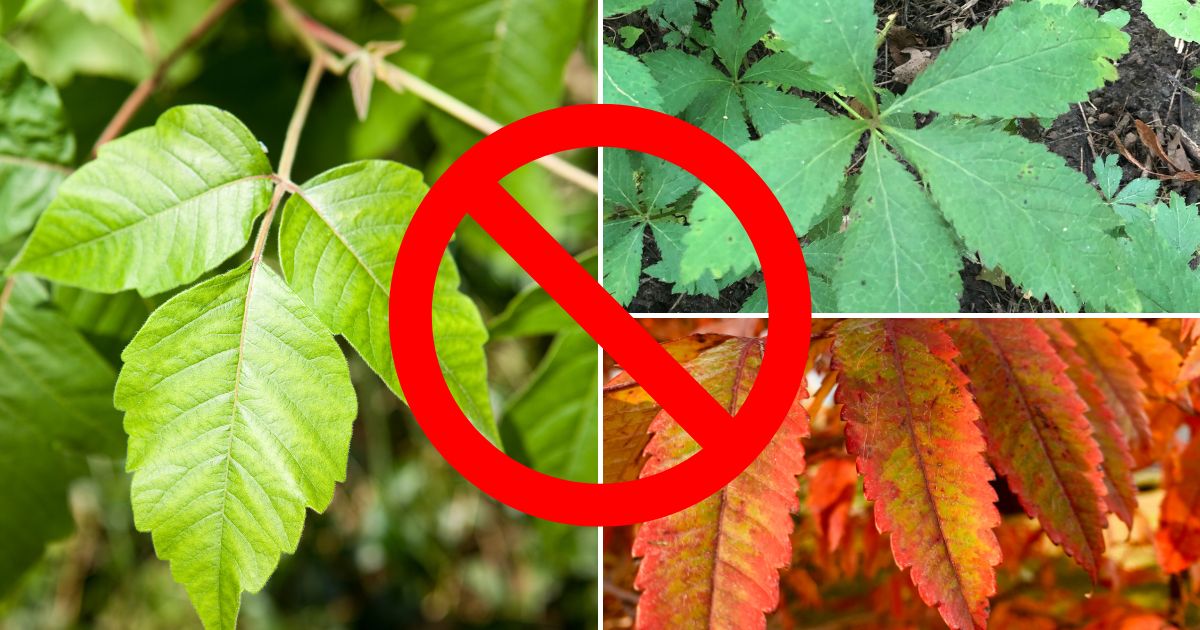
Do Not Compost: Highly resilient invasive weeds—particularly knotweed, garlic mustard, and the roots/seed heads of Himalayan blackberry and English ivy or Poison Oak—should not be placed in backyard compost piles, as home piles rarely get hot enough to destroy the seeds or root fragments. DO NOT THROW POISON OAK IN A BURN PILE!! The oil will be dispersed in the smoke all around.
Disposal Guidelines: While commercial municipal composting facilities get hot enough to break down many invasives (meaning they can often go in the green bin), some particularly noxious weeds are required to be bagged securely in plastic and placed in the regular garbage bin to ensure they are sent to a landfill. Always check the Portland Bureau of Environmental Services or Metro's current guidelines on specific invasive plant eradication before tossing them in with your standard yard clippings.
yard debrisbranchesbrushdirtgone medieval