Battling the Slime: A Guide to Slugs and Snails
Understanding these pests and implementing a comprehensive, Integrated Pest Management strategy can help you protect your garden without disrupting the local ecosystem.
1. Meet the Pests
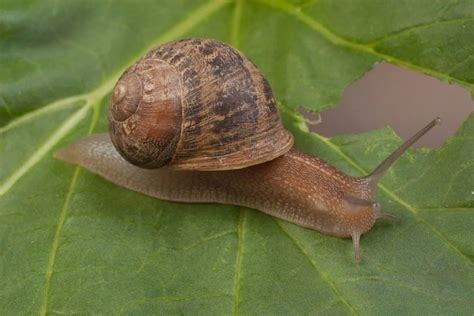
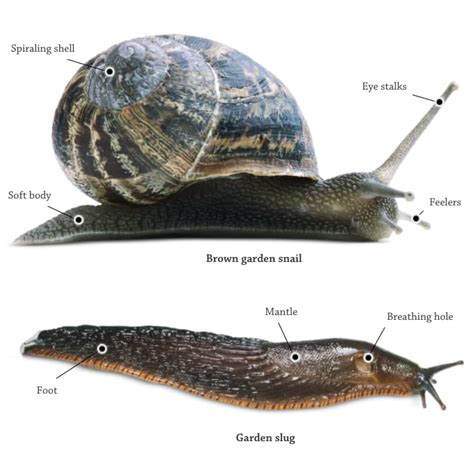
While they look different—snails carry a protective shell, while slugs do not—they are both gastropods with very similar habits and diets.
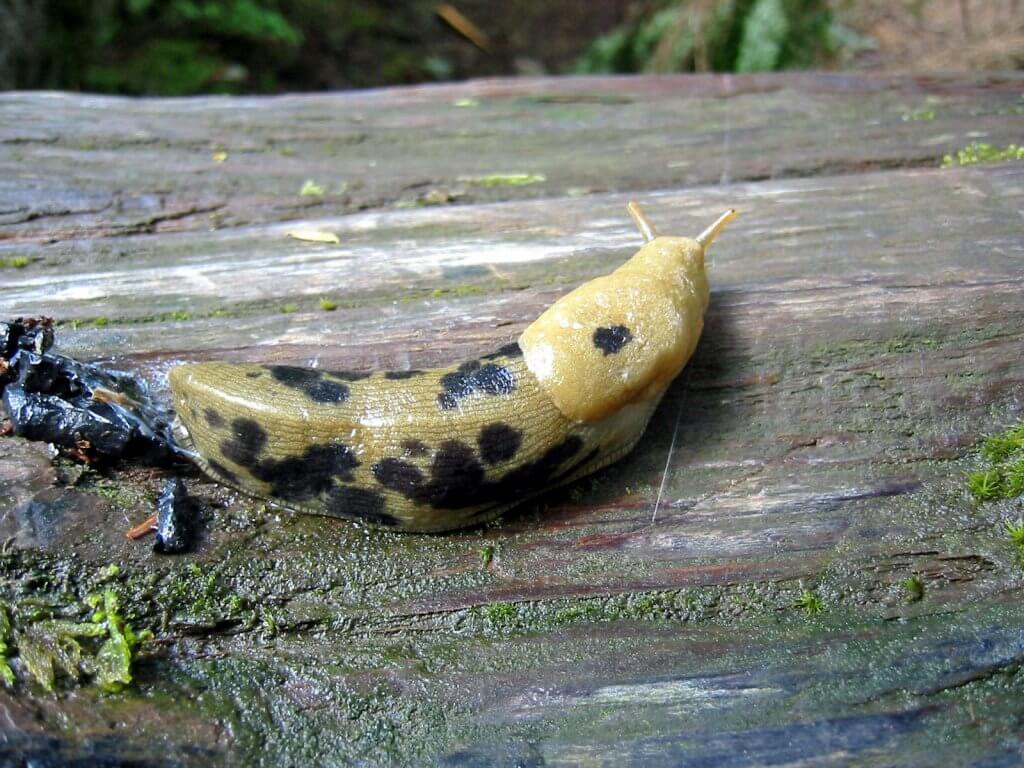
Common Culprits: You will likely encounter the European brown snail and various non-native slug species, such as the gray field slug. It is worth noting that the iconic native Pacific banana slug prefers decomposing forest matter and is rarely the one destroying your garden beds.
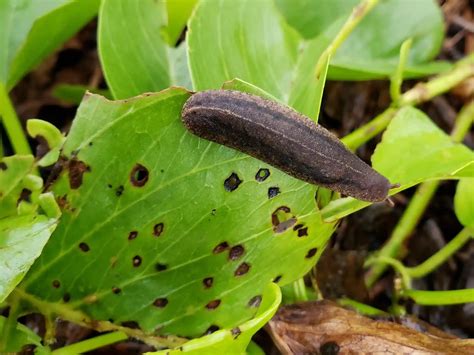
The Damage: Slugs and snails are equipped with a radula (a raspy, tongue-like organ) that they use to scrape and consume plant tissue. The classic signs of an infestation include large, irregular holes in leaves, completely devoured seedlings, and the telltale silvery slime trails left across leaves, walkways, and pots.
2. Plants Highly Prone to Damage
Slugs and snails have a strong preference for tender, succulent foliage. Knowing which plants act as magnets for these pests allows you to be proactive in your defense strategies. If you grow any of the following, they will require extra monitoring:
Ornamentals:
Hostas: Often considered the ultimate slug buffet; their large, tender leaves are easily decimated.
Dahlias: Emerging shoots and young foliage are highly susceptible in the spring.
Delphiniums & Lupines: Slugs can quickly chew through the tender basal leaves of these classic cottage garden plants.
Marigolds: Frequently used as companion plants, but they are highly favored by slugs and can be eaten to the ground overnight.
Edibles:
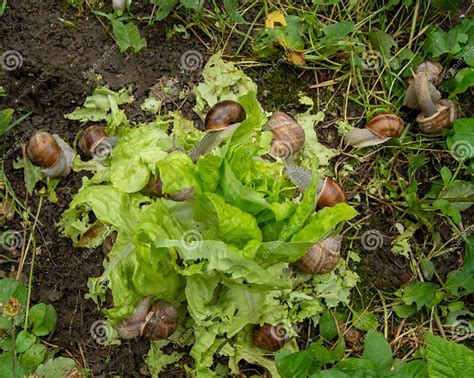
Lettuce & Tender Greens: Soft, moisture-rich leaves are incredibly attractive to mollusks.
Strawberries: Low-lying fruits resting on damp soil are a favorite target.
Cabbage & Brassicas: Slugs love to hide in the damp, tight folds of cabbage, broccoli, and Brussels sprouts.
Basil: The tender, aromatic leaves are often targeted if the plant is kept too damp.
3. Prevention Strategies
The most effective way to manage slugs and snails is to make your garden less inviting to them in the first place.
Modify the Environment
Smart Watering: Slugs and snails feed primarily at night when it is damp. Transitioning to drip irrigation and watering early in the morning allows the soil surface to dry out before evening, making the terrain much harder for them to navigate.
Garden Cleanup: These pests need dark, moist places to hide from the daytime sun. Regularly removing excessive yard debris, fallen leaves, and empty pots from around your planting beds eliminates their safe havens.
Strategic Mulching: While mulch is excellent for retaining moisture, applying it too thickly right up against the stems of vulnerable plants provides a perfect hiding spot for slugs. Keep mulch a few inches away from the base of your plants.
Plant Selection: Incorporate plants with tough, hairy, or highly aromatic leaves, which are far less palatable to mollusks. Ferns, ornamental grasses, lavender, rosemary, and sedums generally remain untouched.
4. Active Control Methods
When prevention isn't enough, you can take active steps to reduce their numbers using an integrated approach that prioritizes environmental health.
Physical and Cultural Controls
Night Patrols: One of the most effective, albeit tedious, methods is hand-picking. Armed with a flashlight, head into the garden a few hours after dark or early in the morning. Drop captured slugs and snails into a bucket of soapy water.
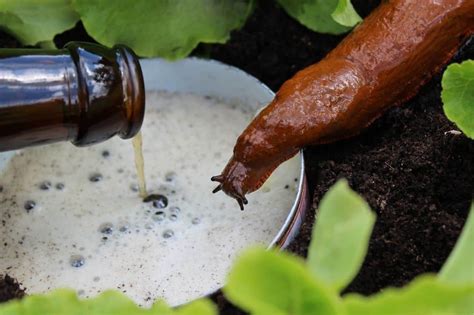
Traps: You can create simple traps using hollowed-out melon rinds, overturned grapefruit halves, or shallow dishes filled with beer (the yeast attracts them, and they drown). Check and empty these traps daily.
Barriers: Copper tape creates a mild electrical charge when it reacts with mollusk slime, deterring them from crossing. This is highly effective when wrapped around the rims of raised beds or potted plants. Diatomaceous earth can also be sprinkled around plants, though it must be reapplied after every rain shower.
Biological Controls
Encourage Predators: A healthy garden ecosystem naturally controls pests. Ground beetles, garter snakes, frogs, toads, and various birds (like thrushes and robins) are enthusiastic consumers of slugs and snails. Providing birdbaths and avoiding broad-spectrum pesticides will encourage these helpers to stick around.
Chemical Controls (Baits)
If an infestation is severe and threatening your harvest, commercial baits can be used as a last resort.
Iron Phosphate: This is the preferred, organic-compliant choice for Pacific Northwest gardens. When consumed, it causes the slugs to stop feeding and retreat underground to die. It is generally recognized as safe for use around pets, wildlife, and children.
Metaldehyde: Avoid if possible. While effective, metaldehyde is highly toxic to dogs, cats, and wildlife. In our region's heavy rains, it can also quickly wash into local waterways.
slugsnailbeertuna canbaits