How ToJuly 25, 2026
Weed Control Methods, You Have Options.
Mastering Weeds in Pacific Northwest Gardens
Managing weeds in a PNW ornamental garden requires a balanced approach. Below is a comprehensive guide detailing mechanical, organic, and synthetic strategies, along with preventative practices and a unique biological control solutions.
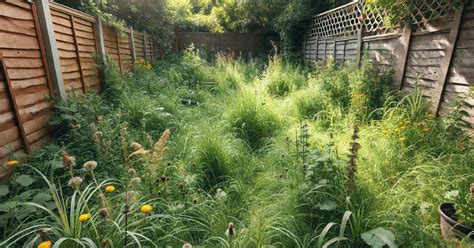
1. Mechanical Methods
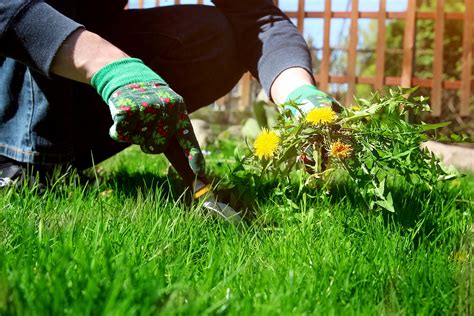
Mechanical weed control relies on physical labor and manual tools to remove weeds by their roots or disrupt their life cycles. This approach is ideal for ornamental beds where chemical drift could harm prized flowers and shrubs.
• Hand-Pulling and Hoeing: Hand-pulling is most effective when the soil is damp, such as after a gentle autumn rain or a spring shower. Tools like scuffle hoes, dandelion diggers, and hand cultivators help sever taproots. For perennial weeds like Canada thistle or dandelion, getting the entire root is crucial; leaving even a small piece behind can result in regrowth.
• Mowing and Cutting: Frequent cutting weakens persistent weeds by starving their root systems over time. While it won't eradicate deep-rooted perennials immediately, it prevents them from flowering and setting seeds.
• Tillage: In larger, unplanted renovation zones, shallow cultivation using a rototiller can disrupt annual weed seedlings, though it should be used sparingly in established ornamental spaces to avoid disturbing dormant perennial bulbs or desirable tree roots.
2. Organic Chemical Methods
For gardeners looking to avoid synthetic residues without resorting entirely to manual labor, organic herbicides offer an intermediate solution. These products typically act as "contact" sprays, meaning they burn down the foliage of tender annual weeds rather than traveling deep into the root systems.
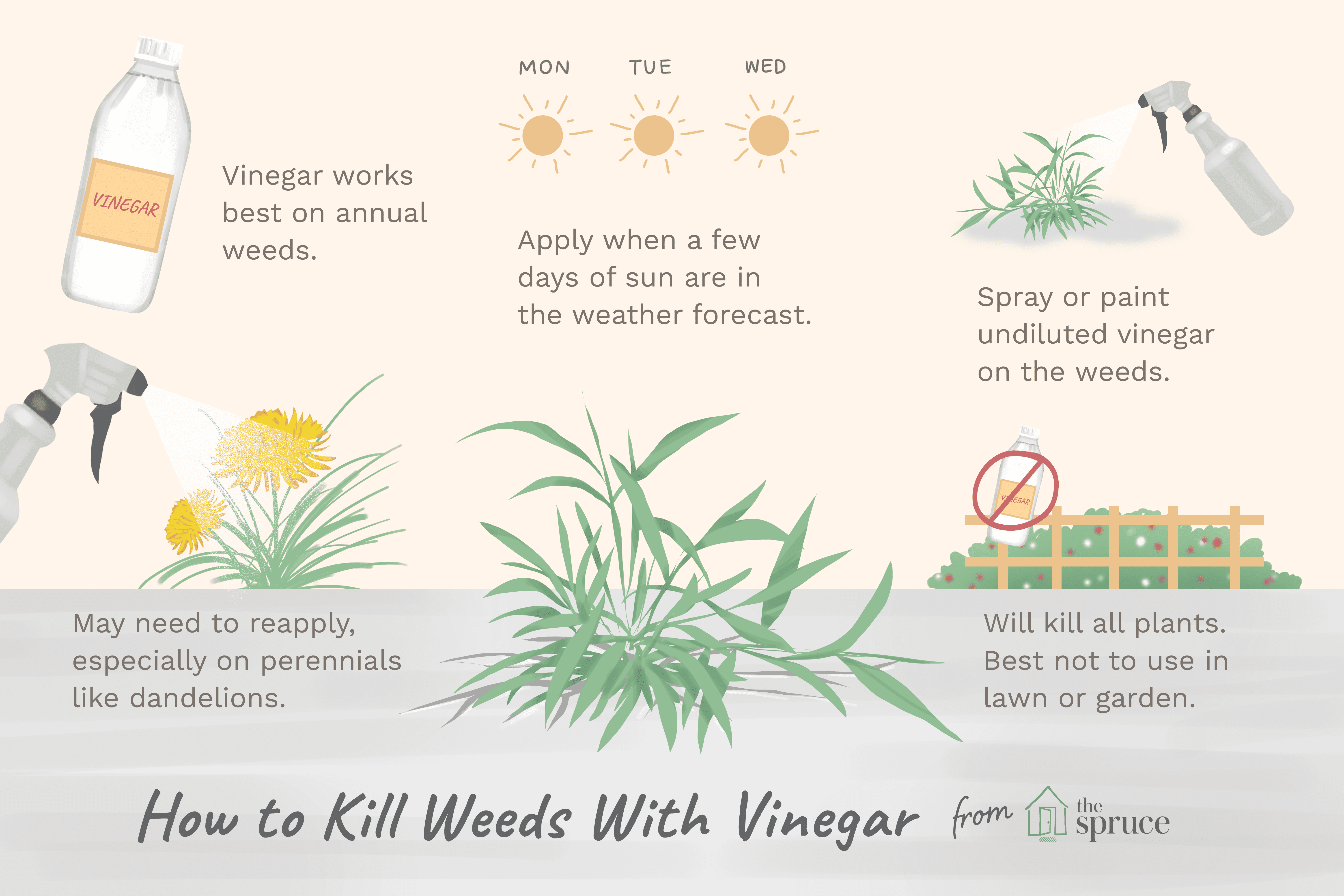
• Horticultural Vinegars: High-strength horticultural vinegars (typically 20% acetic acid, compared to standard 5% kitchen vinegar) act quickly on sunny PNW days. When sprayed directly onto young weeds, the acid strips away the plant's cuticular wax, causing rapid dehydration and death.
• Herbicidal Soaps and Plant Oils: Formulations containing fatty acids (such as potassium salts of fatty acids) or essential oils (like clove or cinnamon oil) effectively disrupt cell membranes in small, emerging broadleaf weeds.
• Application Note: Organic herbicides work best on hot, dry days when sunlight accelerates the drying process. Because they do not translocate well into deep root systems, perennial weeds will likely require multiple repeat applications.
3. Synthetic Chemical Methods
When invasive weeds threaten to overwhelm a landscape, synthetic herbicides provide a potent, labor-saving option. In an ornamental residential garden, these must be used with extreme precision to protect desired flora.
• Pre-Emergent Herbicides: Active ingredients like trifluralin or isoxaben create a chemical barrier in the top layer of soil. They do not kill existing weeds; instead, they stop newly germinated seeds from developing. These are safely applied around established woody ornamentals in early spring.
• Post-Emergent Selective Herbicides: These target specific plant families—such as broadleaf weed killers used in lawns that leave grasses unharmed.
• Targeted Non-Selective Herbicides: Systemic herbicides like glyphosate are absorbed by the leaves and move down to kill the entire root system. In ornamental beds, they should never be broadcast sprayed; instead, use a sponge applicator, brush, or shielded nozzle to dab the chemical directly onto individual weed leaves, ensuring zero drift onto prized plants.

4. Prevention: The Best Defense
The most effective weed management strategy is stopping weeds before they establish themselves. A proactive PNW garden requires minimal maintenance if preventative steps are strictly followed:
• Deep Organic Mulching: Apply a 3-to-4-inch layer of chipped bark, arborist wood chips, or composted leaves around ornamental plants. Mulch blocks the sunlight required by weed seeds to germinate and helps retain moisture during our dry summers.
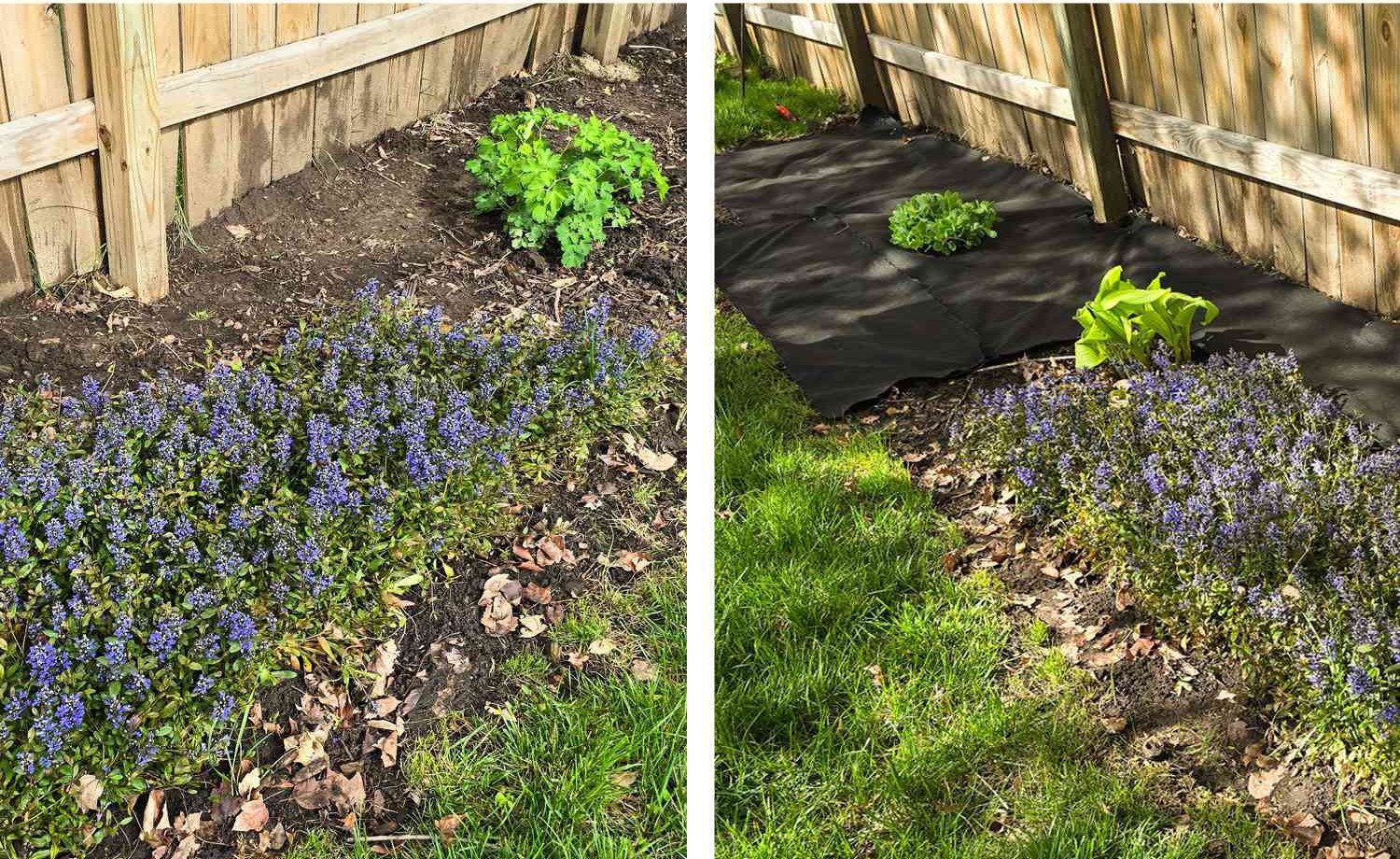
• Landscape Fabrics: For heavily challenged areas, laying down a permeable landscape fabric beneath your organic mulch adds an extra layer of defense against stubborn creeping weeds. Tarps are not breathable, do not use them.
• Plant Dense Groundcovers: Fill empty soil gaps with native or well-behaved ornamental groundcovers. Nature hates a vacuum; if your garden beds are tightly packed with desirable plants, weeds will have little room to grow.
5. Clearing Brush with Goats-for-Hire
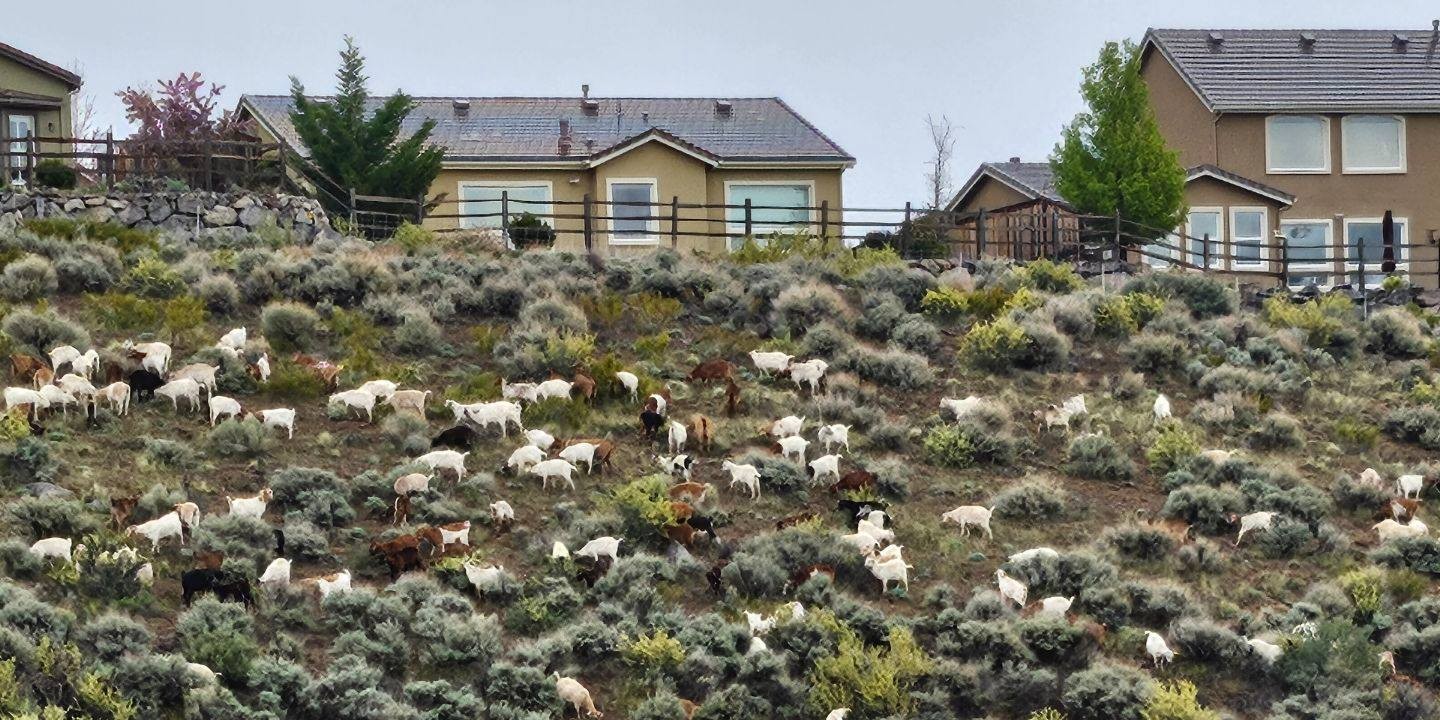
For PNW properties plagued by heavy, woody overgrowth—such as dense thickets of Himalayan blackberries, Scotch broom, or English ivy choking a residential perimeter—traditional clearing can be backbreaking work, and spendy. Enter goats-for-hire.
Goat rental services have exploded in popularity across Washington and Oregon. These eco-friendly "goatscapers" deploy herds of hungry ruminants to heavily overgrown yards and sloped landscapes.
• How it Works: A local provider delivers a portable electric fence enclosure and a herd of goats to your property. The goats systematically mow down everything from thorny vines to woody brush.
• Environmental Benefits: Goats require zero noisy machinery, leave behind no toxic chemical runoff, and can easily navigate steep PNW hillsides and ravines where human labor or mowers are unsafe. Furthermore, as they digest the brush and weeds, their manure naturally deposits nitrogen-rich fertilizer back into the soil, prepping your land for future ornamental planting.
weedsinvasivecontroleradication