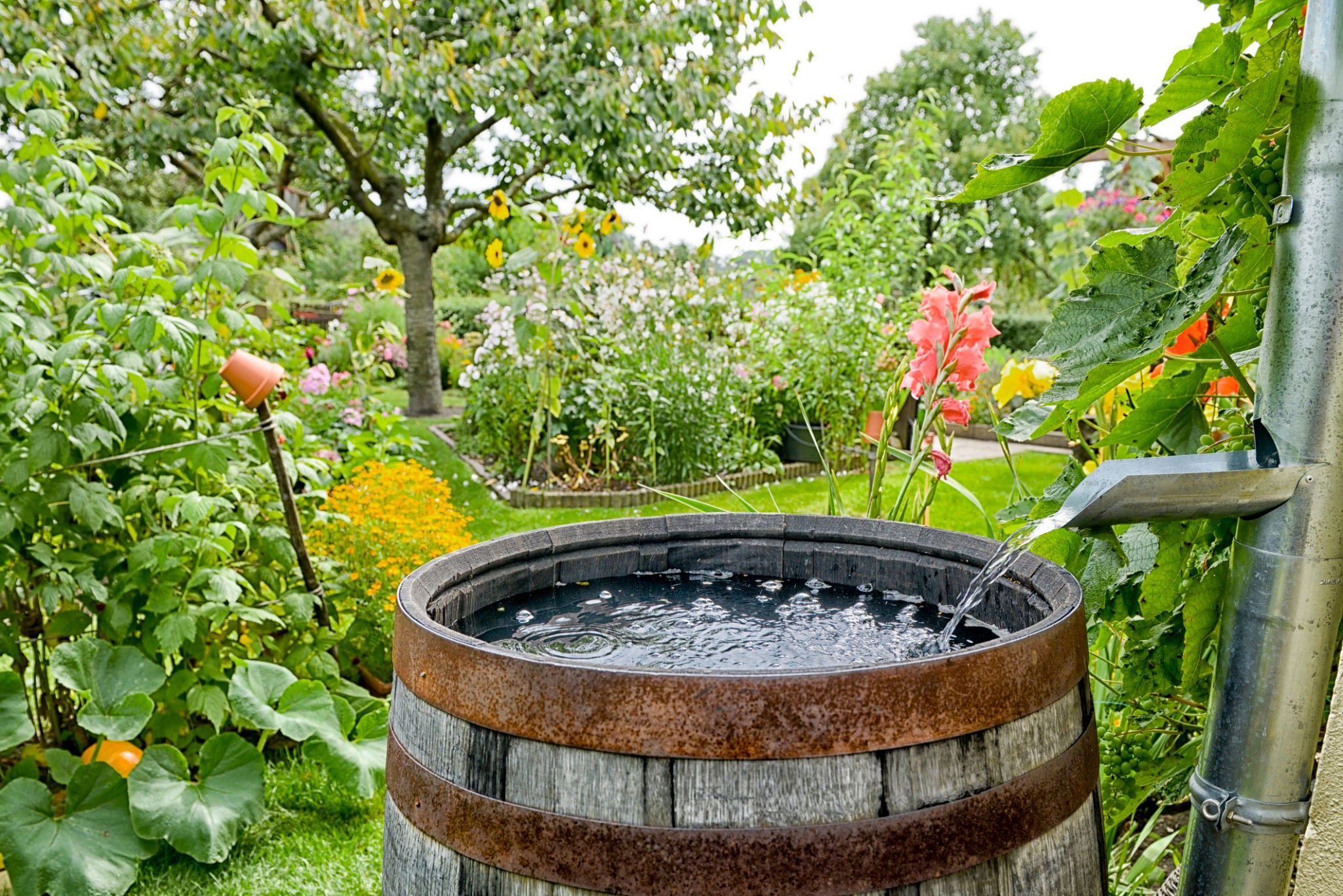
✨ Warm soil at last, rhodies at peak, drip lines under audition before June flips the tap off.
The question of what to plant in Portland in May finally has a warm answer this week: nighttime lows are holding above 50°F, soil at four inches is pushing past 60°F, and the last frost is safely three weeks behind us. That means tomatoes, peppers, basil, beans, squash, and cucumbers can all go in the ground now, while rhododendrons at peak bloom and dahlias breaking dormancy need attention on a completely different schedule. Portland's rainfall typically drops off sharply after May 25, so this week is also your last realistic window to walk drip lines and mulch beds before the dry season lands.
This Week's Action List
- 1
Set tomato transplants deep, burying two thirds of the stem so the buried nodes root out for a stronger plant. Space indeterminate varieties like Sungold, Sun Gold, and Big Beef 24 to 36 inches apart, cage or stake at planting, and water at the soil line only. Overhead water on tomato foliage is the direct trigger for the late blight that hits Portland by late May.
- 2
Direct sow bush beans, pole beans, cucumbers, and summer squash now that soil is holding at 60°F at a two inch depth. A cheap $8 soil thermometer settles the question; if you are still seeing 55°F in shaded East side beds, wait a week rather than replanting rotted seed.
- 3
Pinch dahlia shoots back to the third or fourth set of leaves once plants are 12 inches tall. It feels wrong to cut off the tallest growth, but that single pinch doubles the number of flowering stems by August and keeps plants from flopping under Portland's typical August thunderstorm.
- 4
Snap spent rhododendron trusses off at the base with your fingers as soon as petals brown, taking care not to break the tight green growth buds sitting just below. Do not reach for pruners for anything beyond light shaping. Cuts made after mid June remove next spring's flower buds, and this is the classic Portland mistake that costs a whole bloom cycle.
- 5
Run every zone of your drip system for 15 minutes this week and walk the lines. Look for geysers from cracked emitters, dry patches under mulch, and flooded low spots. Fix leaks now while parts are in stock at Portland Nursery and before the first 90°F stretch exposes every weakness at once.
- 6
Layer three inches of arborist chips or fine bark over vegetable beds, ornamental borders, and around new transplants, keeping mulch two inches back from stems and trunks. This one task cuts summer irrigation by 40 to 50 percent and buffers the root zone through the July heat domes Portland now gets most summers.
- 7
Blast rose aphids off new growth with a strong jet of water at midday, hitting the undersides of leaves and the flower buds where they cluster. Two rounds three days apart usually breaks the population before ladybugs and lacewings catch up. Save neem or insecticidal soap for repeat infestations rather than as a first response.
- 8
Start weekly rose feeding with a balanced organic fertilizer or alfalfa meal top dress, and keep a fungicide rotation going every 10 to 14 days on any variety with a black spot history. May rain plus warm nights is peak black spot weather, and once it defoliates a plant in June you spend the rest of summer playing catch up.
- 9
Harvest overwintered spinach, arugula, mustards, and the last snap peas before the warm week ahead pushes them to bolt. Pull finished plants, add an inch of compost, and immediately reseed those beds to bush beans, carrots, or a late sowing of dill and cilantro for a July succession.
Frequently Asked Questions
When can I plant tomatoes outside in Portland Oregon?
The safe outdoor window in Portland opens around May 15, once nighttime lows hold above 50°F and soil at four inches reaches 60°F. Planting earlier stalls the plants in cold soil and rarely produces earlier fruit. If a cold snap threatens after transplant, drape row cover or an old sheet over cages for the night.
Should I prune my rhododendron after it blooms in May?
Only deadhead and lightly shape, nothing more. Snap spent flower trusses off at the base with your fingers, being careful not to damage the new green shoots pushing out just below. Portland rhododendrons set next year's flower buds in June and July, so any real pruning done after early June sacrifices the following spring's display.
How much should I water new vegetable transplants in Portland in May?
Deep soak new transplants every two to three days for the first two weeks, delivering roughly a gallon per plant slowly at the base rather than a quick daily sprinkle. Portland typically still gets one to two inches of rain in May, so check soil moisture two inches down before watering. Once June arrives and rainfall drops off, shift to drip on a timer.
Is it too late to start a vegetable garden in Portland in mid May?
Not at all. Mid May is actually prime time to plant warm season crops from starts, including tomatoes, peppers, eggplant, basil, and squash, and to direct sow beans, cucumbers, and corn. You still have a full 180 day growing window before the mid November first frost, which is more than enough for nearly every summer vegetable variety sold locally.